Digital marketing in 2026 is moving faster than ever, but the biggest change is not just about new tools. It is about how people discover brands, how they decide who to trust, and how businesses need to communicate across different channels.
For many years, digital marketing was mainly about ranking on Google, posting on social media, running ads, and building a website that looked professional. These things still matter. But in 2026, the way people search, compare, and choose a business is becoming more complex.
Artificial intelligence is changing search behaviour. Social media is becoming more entertainment-driven. Customers expect faster answers, more personal experiences, and stronger proof before they make a decision. At the same time, brands are competing in a space where content is easier to create, but harder to make memorable.
This means businesses need a smarter approach. Digital marketing in 2026 is no longer about being everywhere without a plan. It is about being clear, consistent, useful, and trusted.
1. AI Is Changing the Way People Search
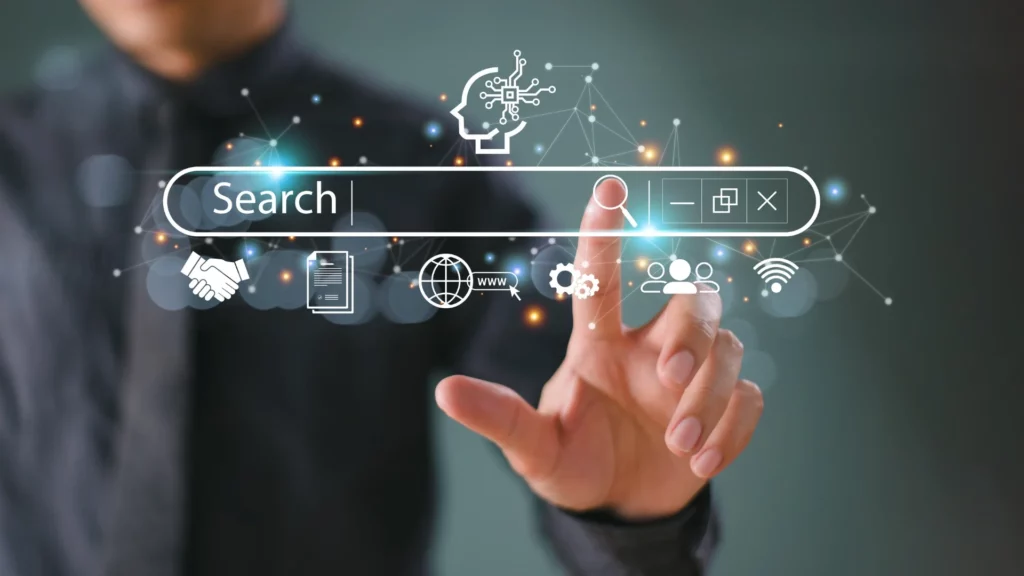
One of the biggest changes in digital marketing is the growth of AI-powered search. Google has continued adding AI features to Search, including AI Overviews and AI Mode, which are designed to answer more complex questions and support follow-up searches. Google has also said that users are asking longer and more specific questions in AI search experiences, which changes how content needs to be created.
This matters because users are no longer only typing short keywords like “best marketing agency” or “SEO services.” They are asking more detailed questions such as:
“What is the best digital marketing strategy for a small business in 2026?”
“How can my restaurant get more customers from Google and Instagram?”
“Should I invest in SEO or paid ads first?”
Search is becoming more conversational. That means businesses need content that answers real questions clearly. A page that only repeats keywords will not be enough. Google’s own guidance for AI search says businesses should focus on unique, non-commodity content that is helpful and satisfying for readers.
For SEO, this means content needs more depth, better structure, stronger examples, and clearer expertise. Service pages, blogs, FAQs, case studies, and local pages all need to be written for real people first, not only for search engines.
2. SEO Is Becoming More About Authority and Usefulness
SEO in 2026 is not dead. It is becoming more important, but also more demanding.
In the past, some businesses could rank by publishing basic content, adding keywords, and building a few links. Today, that approach is weaker. Search engines are becoming better at understanding whether a page genuinely helps users.
Strong SEO now depends on several things working together:
SEO Area | Why It Matters in 2026 |
Search intent | Content must match what the user actually wants to know or do. |
Topical authority | Websites need to cover important topics in depth, not only publish one page. |
Technical SEO | Pages must be crawlable, fast, mobile-friendly, and properly structured. |
Brand trust | People and search engines both look for signs that a business is credible. |
Content quality | Generic AI-written content is easier to ignore and harder to rank. |
For businesses, this means SEO should not be treated as a one-time task. It needs a long-term content strategy, technical checks, strong service pages, and useful resources that answer customer questions.
A digital marketing agency, for example, should not only have one page called “SEO services.” It should also have content about keyword research, local SEO, technical SEO, content planning, link building, and how SEO supports business growth.
3. AI Content Is Everywhere, So Brand Voice Matters More
AI has made it easier to create content, designs, captions, emails, and campaign ideas. This is useful, but it also creates a problem. If every business uses the same tools in the same way, a lot of marketing starts to sound the same.
That is why brand voice matters more in 2026.
HubSpot’s 2026 State of Marketing report highlights that as AI creates more content in the market, brands need a clearer point of view to stand out. The report connects growth with distinctiveness, trust, and relevance, not only with producing more content.
This is important for small and medium businesses too. Your audience does not only want information. They want to understand why they should choose you.
A strong brand voice helps your business sound more human, more confident, and more memorable. It affects your website copy, social media captions, video scripts, ad messages, email campaigns, and even how your team responds to customers.
In 2026, businesses should ask:
- What do we want to be known for?
- How do we speak to customers?
- What makes our approach different?
- What problems do we understand better than competitors?
- What proof can we show?
AI can help with speed, but the brand still needs a clear identity. The businesses that win will not be the ones that publish the most. They will be the ones that communicate with the most clarity.
4. Social Media Is Less About Perfect Posts and More About Attention
Social media in 2026 is not only a place to post announcements. It is where people discover brands, compare businesses, ask questions, check reviews, and decide whether a company feels active or trustworthy.
Platforms like Instagram, TikTok, Facebook, LinkedIn, and YouTube are all competing for attention. This means social media content needs to be more direct, more visual, and more useful.
Hootsuite’s 2026 social media trends report points to fast-moving social content, AI content, and agile brand behaviour as important themes for the year.
For businesses, this does not mean every post needs to go viral. It means content should feel alive. People want to see real work, real people, real results, and clear explanations.
Good social media management in 2026 includes:
Content Type | Purpose |
Educational posts | Help people understand your service or product. |
Behind-the-scenes content | Make the brand feel more human and real. |
Short videos | Capture attention quickly and explain ideas faster. |
Client results | Build trust through proof. |
Offers and campaigns | Turn attention into action. |
FAQs | Answer the questions people already have before contacting you. |
The goal is not just to post. The goal is to build recognition and trust over time.
5. Video Marketing Is Becoming a Core Business Tool
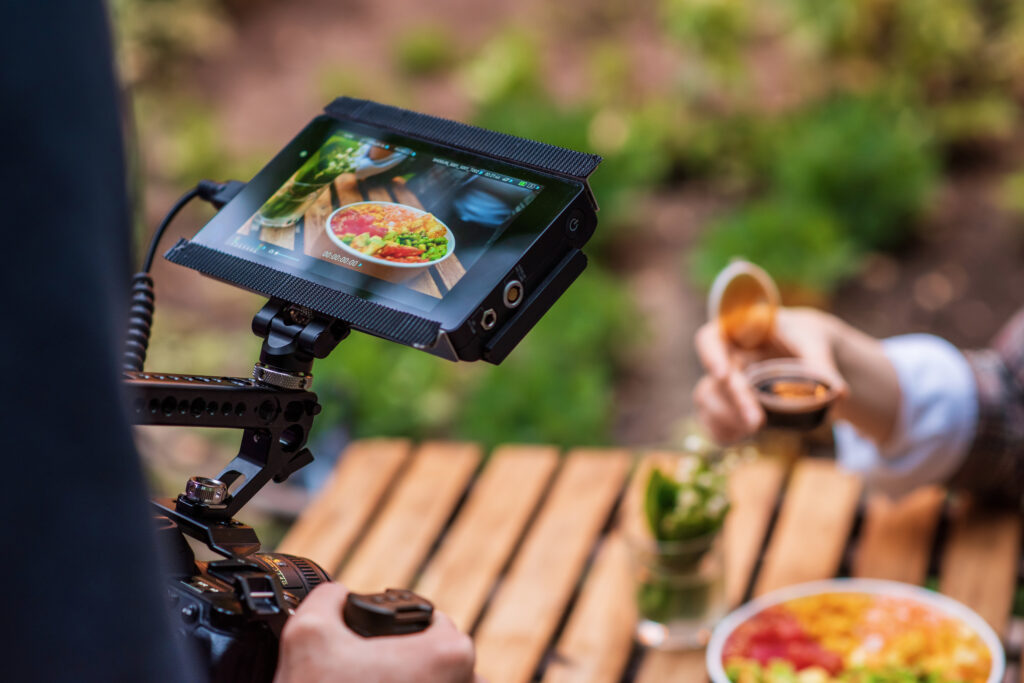
Video is one of the strongest formats in digital marketing because it helps people understand faster. A short video can explain a service, show a product, introduce a team, present a location, or make a brand feel more professional.
In 2026, video marketing is not only for large brands. Small businesses, local companies, clinics, restaurants, real estate agencies, service providers, and online stores all need video content.
The most useful videos are often simple:
- A short introduction to the business
- A service explanation video
- A product demonstration
- A customer testimonial
- A behind-the-scenes clip
- A before-and-after result
- A social media campaign video
The key is not always expensive production. The key is clarity. A video should answer a real question, show real value, or make the business easier to trust.
For example, a cleaning company can show the difference before and after a service. A restaurant can show food preparation and atmosphere. A digital marketing agency can explain how SEO, ads, and content work together.
Video helps people feel the brand, not just read about it.
6. Paid Advertising Needs Better Strategy, Not Just Bigger Budgets
Paid advertising is also changing. Platforms are using more automation, AI targeting, and machine learning. This can be powerful, but it also means businesses need better creative, better tracking, and better landing pages.
In the past, some businesses focused mostly on setting up campaigns. In 2026, the campaign setup is only one part of the result.
Paid ads need:
- A clear offer
- Strong visuals or videos
- Good copy
- A relevant audience
- A landing page that matches the ad
- Correct conversion tracking
- Regular testing and optimization
If a business sends paid traffic to a weak page, the campaign will struggle. If the message in the ad does not match what the customer sees after clicking, trust drops.
This is why digital marketing needs to be connected. Ads, design, landing pages, videos, and content should work together, not separately.
7. Privacy and First-Party Data Are Becoming More Important
Another major change in digital marketing is privacy. Marketers can no longer rely only on third-party tracking in the same way they did before. Google has changed its approach to third-party cookies in Chrome, but privacy restrictions already affect tracking across browsers and platforms, especially where consent and browser-level protections limit data collection.
For businesses, this means first-party data becomes more valuable. First-party data is information your business collects directly from customers and leads, such as form submissions, newsletter signups, phone calls, purchases, CRM data, and website interactions.
Instead of depending only on platform data, businesses should build their own customer database and improve how they track real leads.
This can include:
- Contact forms
- Newsletter lists
- CRM systems
- Call tracking
- Customer surveys
- Booking forms
- Email marketing
- Loyalty programs
A strong first-party data strategy helps businesses understand customers better and reduces dependency on social media or ad platforms.
8. Websites Need to Work Harder
A website in 2026 cannot be just a digital brochure. It needs to support SEO, ads, trust, conversions, and customer education.
When people visit a website, they want quick answers:
1. What do you offer?
2. Who is it for?
3. Why should they trust you?
4. What results can you provide?
5. How can they contact you?
6. Where are you located?
7. What happens after they reach out?
A good website should be fast, mobile-friendly, easy to navigate, and clear on every service page. It should also include calls to action, FAQs, testimonials, case studies, and helpful content.
For service-based businesses, each important service should usually have its own page. This helps users understand the offer better and helps search engines connect the page with relevant searches.
A website should also connect with other marketing channels. Social media should send people to the site. Ads should send traffic to landing pages. SEO should bring organic visitors. Blog content should answer questions and support service pages.
In 2026, the website is still the foundation. But it needs to be built with strategy, not just design.
9. Local Marketing Is Becoming More Competitive
For local businesses, digital marketing in 2026 is especially important. People search before they visit, call, book, or buy. They check Google Business Profiles, reviews, websites, social media pages, photos, opening hours, and location details.
A local business needs to look active and trustworthy across every channel.
Important local marketing areas include:
- Google Business Profile optimization
- Local SEO pages
- Reviews and reputation management
- Local social media content
- Accurate contact details
- Location-based landing pages
- Photos and videos of the business
- Consistent posting and updates
If a customer searches for a business and finds outdated photos, no reviews, weak website content, and inactive social media, trust drops quickly.
Local businesses do not always need complicated strategies. They need consistency, clear information, and proof that they are active and reliable.
10. Digital Marketing Is Becoming More Connected
The biggest lesson for 2026 is that digital marketing works best when all parts support each other.
SEO brings long-term visibility. Paid ads bring faster reach. Social media builds awareness and trust. Video makes the brand easier to understand. Graphic design makes the message look professional. Website development turns attention into action. Printed materials support the offline brand experience.
When these services are disconnected, marketing feels messy. When they work together, the brand becomes easier to recognize and easier to trust.
For example, a campaign for a new service can include:
- A landing page on the website
- SEO optimization for the service
- Social media posts
- Short videos
- Paid ads
- Email promotion
- Printed flyers or brochures
- Consistent visual design
This creates a stronger customer journey. People may first see the brand on Instagram, later search for it on Google, visit the website, read reviews, and then contact the business. Every touchpoint matters.
How Businesses Should Prepare for Digital Marketing in 2026
The businesses that grow in 2026 will not be the ones that chase every trend. They will be the ones that understand which trends matter for their audience and use them with a clear strategy.
Here are the most important steps:
First, improve your website. Make sure your service pages are clear, mobile-friendly, and built around what customers need to know.
Second, invest in helpful content. Write blogs, FAQs, guides, and landing pages that answer real questions.
Third, build your brand voice. Do not sound like every other business. Be clear about what makes your brand different.
Fourth, use video more often. Even simple videos can help people understand and trust your business faster.
Fifth, manage social media consistently. A quiet page can make a business look inactive, while a strong presence keeps the brand visible.
Sixth, track real results. Focus on leads, calls, bookings, sales, and customer actions, not only likes or impressions.
Seventh, connect your marketing channels. Your website, SEO, ads, social media, design, and content should work as one system.
Final Thoughts
Digital marketing in 2026 is becoming more intelligent, more competitive, and more human at the same time. AI is changing how people search and how marketers work. Social media is moving faster. Content is easier to create, but harder to make meaningful. Customers expect trust, clarity, and proof before they take action.
For businesses, this is both a challenge and an opportunity.
The challenge is that basic marketing is no longer enough. The opportunity is that brands with a clear message, strong content, consistent design, and a smart digital strategy can stand out more than ever.
In 2026, digital marketing is not only about being online. It is about being useful, visible, trusted, and memorable wherever your customers meet your brand.